Business
Presidential Address, "Economic Self-Sufficiency", Tasks for the Ministry of Agriculture (transcript)
30 Jan, 2026, 13:55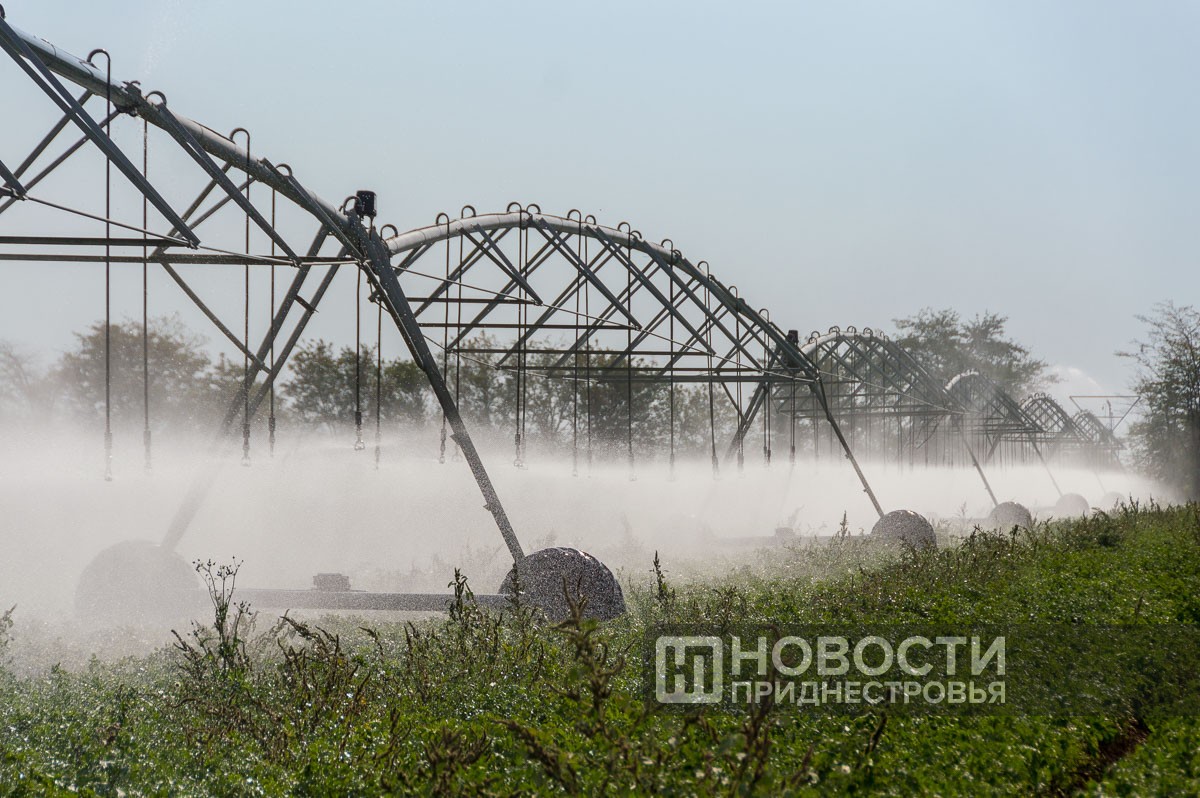
Tasks in Agriculture and Environmental Management: Intensify partnerships with educational institutions and agricultural producers to promote professions in the agricultural sector, including through career guidance tours, tour and exhibition events, internships, guest lectures, and seminars that motivate the younger generation to choose a career in the agricultural sector and address the labor shortage. Dear Ministry of Agriculture: Organize tours to all leading agricultural enterprises, in conjunction with the Ministry of Education, regardless of ownership, so that young people can see how production works, what it is based on, and whether they have the potential to dedicate their lives to this industry. Furthermore, it goes without saying that dual education should not be overlooked and that it should be monitored, in conjunction with the Ministry of Education, in terms of training personnel for the agricultural sector.
Next. Create an effective system of legal regulation and state oversight in the area of rational use of irrigated lands and drainage infrastructure. Develop legal mechanisms to encourage land users to use and irrigate land plots with water supply sources and technical capacity for water supply, as well as mandatory and targeted use of drainage infrastructure on agricultural lands in irrigation zones. Establish liability measures aimed at preventing the inefficient use of irrigated lands and strengthen state land control in this area. What's the point? Of course, not all land needs to be irrigated. That's understandable. Furthermore, there's the concept of crop rotation. Some crops require more water. Even with crop rotation, if you grow vegetables, you obviously need to irrigate more, so to speak, in volume. If you're growing wheat or rapeseed, you need to irrigate less. But all of this needs to be controlled, controlled by you. I'd like to remind you of some figures. By January 1, 2017, we had 8500 hectares under irrigation. This was extremely low, given our droughts and other disasters. Today, it's around 40000. So, we're ready for 40000. Currently, we have 36000 hectares available, and we'll have 40000 hectares under irrigation because we've brought this water to the designated area. We must utilize these opportunities. Yes, this is a good indicator. Just so you understand, during the Soviet era, there were 62000 hectares of irrigated land in Pridnestrovie. Now, it's roughly 40000. But given new technologies, new mechanisms, productivity, and profitability, I think we're already at about the same level. The work must continue.
Furthermore. Develop a set of measures to ensure an appropriate level of state regulation in the area of hydro-mineral resource use, including those aimed at legally regulating the protection of groundwater from pollution and uncontrolled extraction, including eliminating cases of unauthorized drilling of artesian wells and their abandoned maintenance, and establishing standards and requirements for the drilling and maintenance of water wells.
Next. Work with state administrations to oversee the updating of the land registry. Of course, exercise adequate state oversight over the economic use of land resources, including ragweed control. Esteemed leaders of the Ministry of Agriculture, if a land user has ragweed growing in their fields, naturally, the first decision is a warning, the second is a more severe fine, and the third is confiscation of the plot and its redistribution to bona fide owners. This applies to weeds and everything else. If you've taken the land, and land is valuable, then you must maintain it in proper condition. There's no other way. Therefore, you are in charge.