Society
Presidential Address, "Social Justice", Tasks for the State Service for Environmental Control and Protection (transcript)
30 Jan, 2026, 12:09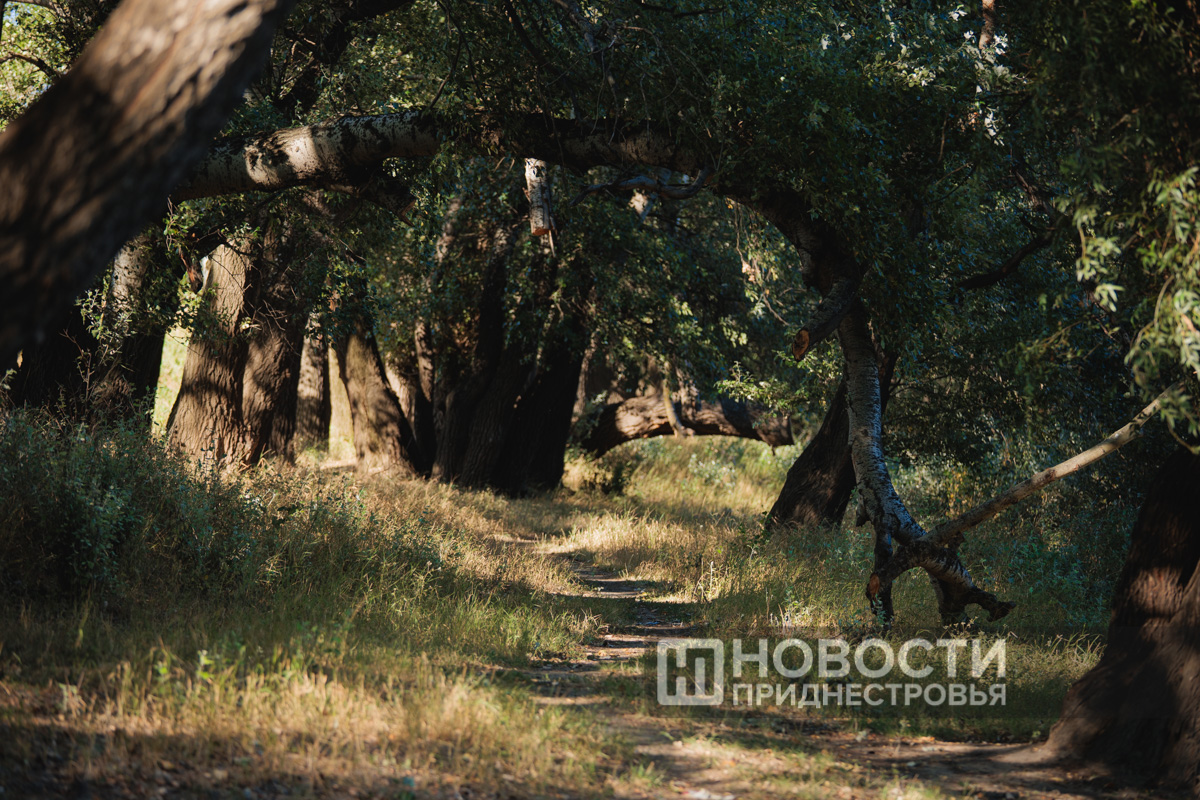
Фото из архива информационного агентства "Новости Приднестровья"
In the area of environmental protection, and the State Service for Environmental Control and Protection:
Continue the removal of existing bitumen roofing felt waste from the Blizhniy quarry in the village of Sukleya, Slobodzeya District.
Implement measures aimed at increasing the recreational potential of the State Forest Fund of Pridnestrovie.
Conduct systematic monitoring of compliance with environmental legislation by organizations engaged in quarry development. This is a very important point. If an organization is developing a quarry, it's understandable; it's a business, fine. But reclamation is mandatory. If reclamation is not carried out, legal action will be taken, and the license for further quarry development will be revoked. The deadlines, of course, are clear and natural for reclamation. You must monitor this.
In collaboration with the prosecutor's office, conduct an audit of compliance with the law regarding the planting of two trees to replace one felled one. There is such a regulation; you know it.
Conduct a survey of waste disposal sites to identify locations not used by city and district state administrations, with the subsequent removal of such sites from the list of authorized waste disposal sites.
Carry out a series of measures aimed at improving the ecological condition of forests in Pridnestrovie, including natural reforestation and reforestation by clearing dead and windfallen timber. I've already touched on this point. We actually have a lot of dead wood, trees, and other things. It's good material, in principle. The trees aren't rotten; they're healthy. We have winds and ice, and trees fall. They should be used as fuel, including for alternative energy sources. Of course, it's also under your control as we discussed earlier: city and district administrations should issue appropriate permits for people to collect deadwood. Of course, not cutting down trees that are still standing. Only those that are fallen. Cut them up and give them to the people. Let them do it at their own expense and haul it away. They'll only say thank you. Everyone will benefit. The forests are actually littered with this deadwood.
Organize the production of energy sources for solid fuel boilers (briquettes) from by-product raw materials and the remains of unused wood products, including deadwood and windfall wood obtained during forest clearing activities.
Continue efforts to restore forests, including oak and coniferous stands, increasing their biological resilience, ecological significance, and productivity by cultivating seedlings and saplings of the corresponding oak and coniferous species. What, in principle, is this all about? When we talk about greening cities and districts, we don't need to go into some kind of "cosmos". In fact, we have traditional plants: shrubs roses and the like, and foliage, such as oak, maple, aspen, and acacia saplings. Whatever grows has always grown on our soil, and it doesn't require super-irrigation, given our droughts. Of course, we need to grow oak trees. Oak trees grow for 300–400–500 years without requiring much watering. We have acorns. All the forests are covered in acorns. Plant them for a year or two, and then go ahead and plant them throughout cities and districts. Notice: Tiraspol's coat of arms is oak leaves. What does this mean? Oak trees used to grow all around here. They simply cut them down, didn't plant them, or forgot to plant them. You see? There was no law: two trees instead of one. That's all. Of course, there were situations: all sorts of wars, conflicts. A very convenient tree: large, classy, hard wood. They cut them down. Where are the oak trees in Tiraspol? There are no oak trees in Tiraspol. There should be. They're on the coat of arms, but not on the ground. They exist, but they're few. So, heads of state administrations should work on this.
Of course, continue to work to identify poaching. This applies to both water and land resources.