политика
Pavel Kuznetsov: No one in Chișinău has the right to decide who the people of Transnistria are
The economic blockade is an attempt to suppress the PMR’s distinct identity and destroy its statehood, the deputy chairman of the republic’s Public Chamber said
23 Oct, 2026, 16:20
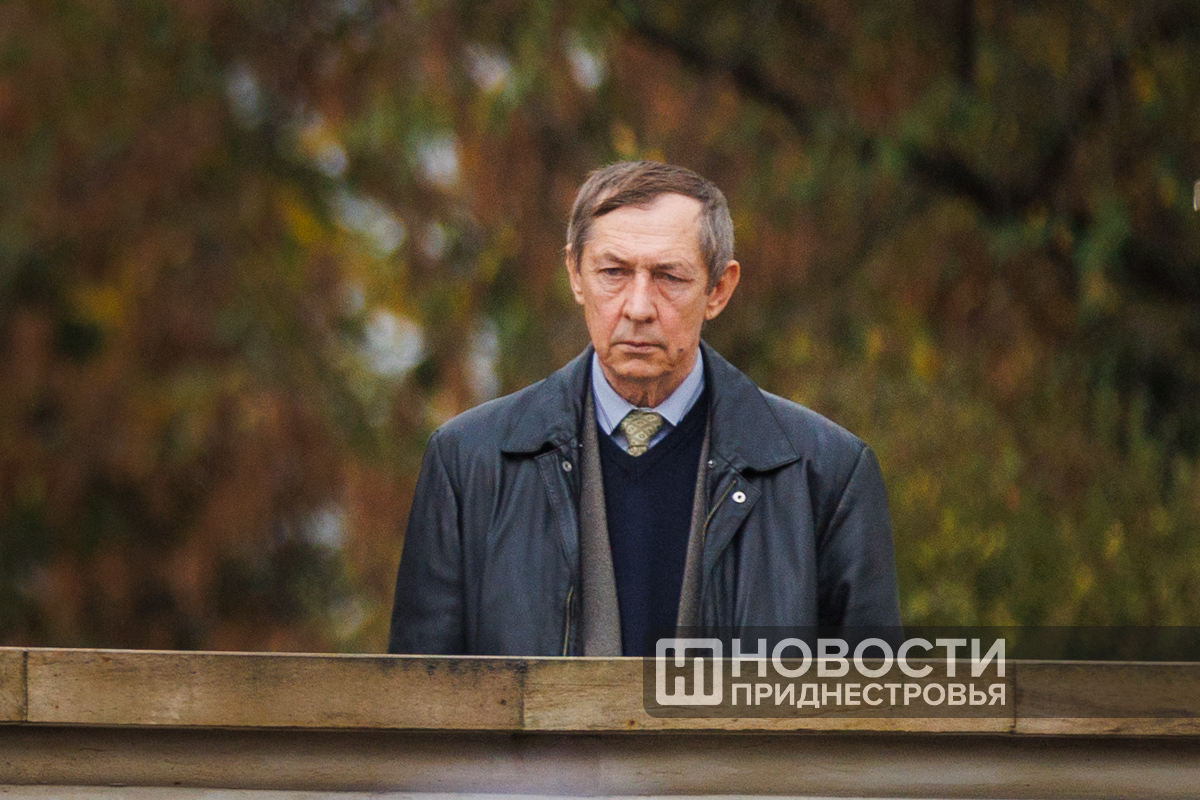
Заместитель председателя Общественной палаты Приднестровья Павел Кузнецов
Фото: ИА "Новости Приднестровья"
Tiraspol, October 23. /Novosti Pridnestrovya/. No one in Chișinău has the right to decide who the people of Transnistria are, what language they should speak, what history they should remember or what culture they should preserve. Pavel Kuznetsov, deputy chairman of the Public Chamber of Transnistria, made the statement at a large rally in Tiraspol today.
He said that Moldova’s current tightening of the economic blockade was an attempt to impose a financial stranglehold in order to suppress the PMR’s distinct identity and destroy its statehood.
Kuznetsov stressed that the people of Transnistria have lived under constant pressure from Chișinău for more than 30 years. Throughout that time, he said, the Moldovan authorities sought to suppress more than just elements of Transnistrian statehood: they targeted people first and foremost, striking at the republic’s multinational population.
“They sought to destroy the very foundation of our society: our language, culture, traditions and historical memory. In the early 1990s, they tried to manipulate our children just as they have manipulated generations of their own young people for more than 30 years, imposing on them a foreign Romanian history; instilling in them the belief that they are not Moldovans but Romanians; and praising and glorifying the killers of Antonescu’s occupying Romanian fascist regime and the terrorists of the Ilașcu group,” the deputy chairman of the Public Chamber said.
According to Kuznetsov, Moldovans in Transnistria have the right to remain Moldovans, speak the Moldovan language and preserve their own cultural tradition. Russians, Ukrainians, Bulgarians, Gagauz and all other members of the 72 nationalities enjoy equal respect and the right to their own language and national identity. This, he said, is the fundamental difference of the Transnistrian model: the state does not force a person to renounce their identity and historical memory.
“The most frightening thing for Chișinău is the realization that as long as Transnistria lives, the Moldovan people exist as a constituent part of the multinational people of Transnistria, whom they are doing everything in their power to erase from the political map of the world,” Kuznetsov said.
He stressed that this was why Moldova’s Bessarabian-Romanian ruling elite was applying pressure, including economic pressure.
A large gathering of the people of Transnistria took place in central Tiraspol today. According to the Safe City system, more than 43,000 people attended. A procession of thousands marched from the Transnistrian State Theatre to A. V. Suvorov Square. Protesters voiced their opposition to what they described as Moldova’s discriminatory actions against residents of Transnistria, including increased economic pressure.
On September 1, the Moldovan government introduced value-added tax and excise duties on imports from Transnistria. The new taxes currently apply to 10 groups of goods, including alcohol, tobacco, perfume, jewellery and vehicles. In 2027, however, Chișinău plans to extend VAT and excise duties to goods of much greater importance: petroleum products, ferrous metals, natural gas, electricity, telephones and computer equipment. Experts estimate that this will bring entire sectors of Transnistria’s economy to a halt.


